20 Reasons Why Webtech Nepal is the Best Web Design Company in Nepal

A professional website is essential for businesses in Nepal to thrive in today’s digital world. Webtech Nepal, a leading creative digital agency based in Kathmandu, has established itself as the premier web design company in Nepal. With a focus on quality, innovation, and client satisfaction, they deliver websites that help businesses grow.

Below are 20 detailed yet straightforward reasons why Webtech Nepal is the best choice for your web design needs.

1. Years of Experience

Webtech Nepal has been crafting websites for over eight years, building a strong foundation of expertise. Their team has worked on numerous projects, ranging from simple blogs to complex e-commerce platforms, which has given them a deep understanding of what makes a website successful. This experience ensures they can handle any challenge, delivering websites that are both functional and visually appealing.

2. All-in-One Services

Why hire multiple agencies when Webtech Nepal offers everything you need? They provide comprehensive services, including custom web design, website development, e-commerce solutions, search engine optimization (SEO), and digital marketing. This all-in-one approach saves you time and ensures every aspect of your online presence works seamlessly together.

3. Focus on Your Needs

Webtech Nepal puts clients at the heart of every project. They start by listening to your goals, whether it’s increasing sales, building brand awareness, or reaching a specific audience. Through regular communication and feedback, they tailor every detail of the website to match your vision, ensuring the final product feels uniquely yours.

4. Eye-Catching Designs

A website needs to grab attention, and Webtech Nepal excels at creating stunning designs. Their creative team combines colors, fonts, and layouts that reflect your brand’s personality. Whether it’s a sleek, modern look or a vibrant, traditional style, they design websites that leave a lasting impression on visitors.

5. Built for Search Engines

A beautiful website is useless if no one can find it. Webtech Nepal builds websites with SEO in mind, using clean code, fast-loading pages, and mobile-friendly designs. They also optimize content with relevant keywords and clear navigation, helping your site rank higher on Google and attract more organic traffic.

6. Affordable Prices

Webtech Nepal believes every business deserves a professional website, regardless of budget. They offer flexible pricing plans that cater to startups, small businesses, and large companies. By keeping costs reasonable without compromising quality, they make high-quality web design accessible to all.

7. On-Time Delivery

Deadlines matter, and Webtech Nepal takes them seriously. Their project management team plans each step carefully, from initial design to final testing, to ensure your website is delivered on time and to the highest standards. This reliability means you can plan your business launch or marketing campaign with confidence.

8. Great Support After Launch

Launching a website is just the beginning. Webtech Nepal offers ongoing support to ensure your site runs smoothly. Whether you need help fixing a bug, updating content, or adding new features, their friendly team is just a call or email away, ensuring your website stays in top shape.

9. Experience with All Kinds of Businesses

Webtech Nepal has collaborated with businesses across various industries, including tourism, education, healthcare, retail, and others. This wide-ranging experience enables them to understand the unique needs of multiple sectors. For example, a hotel might need a booking system, while a school might want a student portal—Webtech Nepal can do it all.

10. Happy Clients

The best proof of Webtech Nepal’s quality is its satisfied clients. From small startups to established brands, clients praise their professionalism, creativity, and ability to deliver results that exceed expectations. Many share glowing reviews, highlighting how Webtech Nepal’s websites have boosted their business growth.

11. Works on All Devices

With more people browsing on phones and tablets, a website must work perfectly on every device. Webtech Nepal designs responsive websites that automatically adjust to fit any screen size, ensuring a smooth and consistent experience whether your visitors use a laptop, tablet, or smartphone.

12. Talented Team

Webtech Nepal’s team is a group of passionate professionals, including web designers, developers, and digital marketers. Each member brings specialized skills and stays updated on the latest industry trends, ensuring your website is built with cutting-edge techniques and best practices.

13. Online Store Expertise

For businesses selling products online, Webtech Nepal creates powerful e-commerce websites. They include features like secure payment gateways, user-friendly product pages, and inventory management systems. Their online stores are designed to make shopping easy for customers and management simple for you.

14. WordPress Specialists

WordPress powers millions of websites worldwide, and Webtech Nepal is a master at using it. They build WordPress websites that are secure, fast, and easy to manage, even if you have no technical experience. You can update text, images, or blog posts with just a few clicks.

15. Marketing to Grow Your Business

A website is only effective if people visit it. Webtech Nepal provides digital marketing services, including SEO, social media advertising, and pay-per-click campaigns, to drive traffic to your website. Their strategies help turn visitors into customers, boosting your business’s growth.

16. Trusted by Many

Webtech Nepal has served thousands of clients across Nepal and beyond, earning a reputation for reliability. Their extensive portfolio encompasses businesses of all sizes, ranging from local shops to international brands, demonstrating their ability to deliver results for any client.

17. Knows Nepal’s Market

As a Kathmandu-based company, Webtech Nepal has a deep understanding of the local market. They know what appeals to Nepali customers, from cultural preferences to shopping habits. This insight helps them create websites that connect with local audiences while maintaining a professional, global appeal.

18. Clear Communication

Effective communication is crucial to the success of a project. Webtech Nepal’s team speaks fluent English, making it easy to discuss your ideas and understand their suggestions. This transparent communication ensures your website’s content is professional and resonates with your audience.

19. Modern Technology

Webtech Nepal utilizes the latest tools and technologies, including HTML5, CSS3, and advanced content management systems, to create websites that are fast, secure, and future-proof. Their focus on modern standards ensures your site performs well and stays relevant for years.

20. Long-Term Partner

Webtech Nepal doesn’t just build your website—they partner with you for ongoing success. They offer advice on improving your site, adding new features, or adapting to changing trends. This long-term commitment helps your business stay competitive in the digital world.

Why Webtech Nepal Stands Out

Webtech Nepal is Nepal’s premier web design company, combining creativity, technical expertise, and a genuine passion for helping businesses succeed. Whether you’re launching your first website or upgrading an existing one, they deliver solutions that attract customers and drive results.

Ready to build a website that grows your business? Contact Webtech Nepal at [email protected] or call +977-01-4541620 to start your project today. Let us create a website that makes your brand shine in Nepal’s digital landscape.


7 Reasons why WordPress maintenance is essential for your website’s success

WordPress powers over 43% of websites worldwide, making it the go-to platform for businesses, bloggers, and e-commerce stores in Nepal and beyond. Its flexibility, vast plugin ecosystem, and user-friendly interface make it a top choice for creating stunning websites. As the top web design agency in Nepal, Webtech Nepal specializes in building custom WordPress websites tailored to your unique needs.

However, to ensure your WordPress site remains secure, fast, and competitive, regular maintenance is non-negotiable. Below, we explore seven compelling reasons why WordPress maintenance is essential for your online success, crafted to resonate with both search engines and real users seeking practical solutions.

1. Fortify Your Website’s Security

WordPress’s popularity makes it a prime target for cybercriminals. Hackers exploit outdated plugins, themes, or WordPress core versions to launch attacks, including malware injections, brute force logins, and data breaches. Regular maintenance involves updating all components to their latest versions, which include critical security patches.

Tasks like enabling two-factor authentication, monitoring user roles, and scanning for vulnerabilities further strengthen your site’s defenses. A secure website protects your business data and fosters trust with visitors, ensuring they feel safe while browsing or shopping on your platform.

2. Boost Website Speed and Performance

A slow website frustrates users and drives them away. Maintenance tasks, such as optimizing images, cleaning up your database, minifying CSS/JavaScript files, and implementing caching solutions (e.g., WP Rocket or W3 Total Cache), ensure your site loads quickly. Tools like Google PageSpeed Insights or Pingdom can help identify bottlenecks, such as oversized media or outdated code.

A fast website keeps visitors engaged, reduces bounce rates, and improves conversions, whether you’re running a blog, portfolio, or online store in Nepal.

3. Elevate Your SEO Rankings

Search engine optimization (SEO) isn’t just about keywords it’s about technical excellence. Regular WordPress maintenance ensures your site is free of broken links, outdated plugins, or errors that hinder search engine crawlers. Updating your sitemap, optimizing meta tags, and providing mobile responsiveness aligns your site with Google’s latest algorithms.

Additionally, maintaining clean code and fast load times enhances your site’s crawlability, helping it rank higher on search engine result pages (SERPs). By staying proactive, you can adapt to evolving SEO trends and maintain visibility in competitive markets, such as Kathmandu, Chitwan, or Pokhara.

4. Safeguard Your Data with Reliable Backups

Imagine losing your website’s content due to a server crash, plugin conflict, or human error. Regular backups are a lifesaver, allowing you to restore your site to a previous state with minimal disruption. Maintenance plans should include automated, off-site backups (daily or weekly, depending on your site’s activity) stored securely on platforms like Google Drive or Dropbox.

At Webtech Nepal, we emphasize testing backups periodically to ensure they’re functional, giving you peace of mind that your blog posts, product listings, or customer data are always recoverable.

5. Stay Compatible with New Features and Updates

WordPress, its themes, and plugins receive frequent updates to introduce new features, fix bugs, or improve compatibility. Skipping these updates can lead to conflicts that break your site’s functionality, such as forms not submitting or pages failing to load.

Regular maintenance ensures that all components are up-to-date and compatible, allowing you to leverage the latest WordPress features, such as block editor enhancements or new e-commerce tools. This keeps your site modern and aligned with industry standards, enhancing both functionality and user appeal.

6. Save Costs by Preventing Major Issues

Neglecting maintenance can lead to expensive problems, such as site crashes, security breaches, or performance bottlenecks. Emergency fixes often cost more than routine upkeep, not to mention the potential revenue loss from downtime or a damaged reputation.

A proactive maintenance plan—covering updates, monitoring, and optimizations prevents these issues, saving you money in the long run. For businesses in Nepal, where digital presence is critical for growth, investing in maintenance is a cost-effective strategy to protect your online investment.

7. Deliver a Seamless User Experience

Your website is often the first interaction customers have with your brand. A poorly maintained site with broken links, outdated content, or slow load times frustrates visitors and drives them to competitors. Regular maintenance tasks, such as testing contact forms, updating content, and ensuring mobile compatibility, help create a smooth and enjoyable experience.

By incorporating user feedback and adding fresh features, like interactive elements or updated visuals, you keep your site engaging and relevant, encouraging repeat visits and conversions.

Why Partner with Webtech Nepal for WordPress Maintenance?

As the top web design agency in Nepal, Webtech Nepal excels in building custom WordPress websites that reflect your brand’s vision and drive results. Our expertise doesn’t end with development; we’re committed to keeping your site in peak condition with comprehensive maintenance services tailored to your needs.

Our offerings include:

  • Daily Backups: Secure, off-site storage to protect your data.
  • 24/7 Uptime Monitoring: Instant alerts to address issues before they escalate.
  • Security Audits: Regular scans for malware, vulnerabilities, and weak points.
  • Performance Optimization: Speed enhancements using caching, CDN, and image compression.
  • SEO Support: Technical audits and fixes to boost your rankings.
  • Plugin and Theme Updates: Safe, tested updates to ensure compatibility.
  • Custom Support: Dedicated assistance for your unique business needs.

Don’t let an outdated or vulnerable website hold your business back. With Webtech Nepal’s expert WordPress maintenance and custom website development, you can focus on growing your brand while we keep your site secure, fast, and user-friendly.

Contact us today to explore our maintenance packages and discover how our custom WordPress solutions can elevate your online presence.

Why your new business needs a website

Starting a new business is exciting but comes with many challenges. Establishing a strong online presence is one of the most important steps. A website isn’t just a digital business card. It’s your chance to attract new customers, build trust, and grow your brand. In today’s world, having a website can make all the difference between a struggling startup and a thriving business.

At Webtech Nepal, countless businesses flourished by establishing a strong online presence early on. So let us be clear: Yes, absolutely! In today’s digitally-driven world, especially for new businesses trying to make their mark in vibrant cities like Kathmandu, Pokhara, or across the nation, a website isn’t just a nice-to-have; it’s a foundational pillar for success. Think of it as your digital storefront, your 24/7 salesperson, and your credibility cornerstone, all rolled into one.

Let’s dive into why your new Nepalese venture needs a professional online presence from day one.

Why is a website crucial for a New Business?

A website acts as your digital storefront, open 24/7 to welcome potential customers from near and far. It’s often the first place people learn about your business, explore your offerings, and decide if they trust you enough to buy. Without one, you risk losing out to competitors who are just a click away. Here are the top reasons a website is non-negotiable for your new venture.

Establish Instant Credibility and Professionalism

First impressions count, massively. When potential customers in Kathmandu, Lalitpur, Bhaktapur, or even internationally search for your business (or a service you offer in Nepal), what will they find? A professional website signals you’re a legitimate, serious, trustworthy operation. No website? That can raise red flags and send potential customers straight to your competitors with an online presence.

Understanding Online Consumer Behavior

More people search online before they buy anything. Whether looking for a quick meal, local services, or retail stores, most turn to the internet first. Recent studies show that over 80% of consumers use the internet to find nearby businesses. If your company doesn’t show up online, you miss out on many potential customers.

The Role of a Website in Building Credibility

A professional website sends a clear message: “We’re serious about our business.” Consumers trust companies with websites more than those without. Surveys reveal that 70% of buyers judge a business’s credibility based on its website design. A well-made site shows you’re committed and trustworthy.

Examples of Successful Online Visibility

Look at local coffee shops or salons that grew fast. They created websites with menus, online booking, and reviews. These online tools brought in new customers and boosted sales. A simple webpage helped turn small businesses into local favorites.

Showcasing Your Unique Value Proposition

Your website is the place to tell your story. What makes your business different? Are your products handmade, eco-friendly, or priced just right? Use your homepage to explain what sets you apart clearly. A strong message helps visitors remember you.

Content Marketing and Thought Leadership

Creating a blog, FAQs, or case studies can boost your authority. Share tips, stories, or answers to common questions. When you regularly publish helpful content, you become a go-to source. That keeps customers coming back and spreads your reputation.

Visual Identity and Consistency

Your website’s look should match your branding. Use your logo, colors, and images consistently. This strengthens your identity. For example, if your business has a fun, playful brand, your website should reflect that visually. Consistency makes your brand recognizable and memorable.

Cost-Effective Marketing Platform

A website costs less and reaches more people than radio or print ads. You can also attract visitors to your site using social media or email newsletters. This mix helps grow your audience without breaking your budget.

Local SEO and Google My Business

Want people nearby to find you? Use local SEO. Optimizing your website for local keywords helps your business appear in search results. Don’t forget to set up and update your Google My Business listing. It shows your location, hours, and reviews, making it easier for customers to find and choose you.

Conversion Strategies

Guide visitors toward action. Place clear call-to-action buttons like “Book Now,” “Call Today,” or “Get a Quote.” Use simple forms to collect contact details or schedule appointments. The easier it is to reach you, the more customers convert.

Online Booking and Inquiry Systems

Allow customers to book appointments or ask questions online—anytime, day or night. Tools like booking forms or chatbots save everyone time and improve customer satisfaction because help is always available.

Providing Valuable Resources

Share helpful tips, product guides, or FAQs. Transparency builds trust. Customers who find what they need fast will likely choose you over competitors.

Data Collection and Insights

Your website can show what customers like most. Use tools like Google Analytics to track visits, popular pages, and behaviors. Use this data to fine-tune your site and marketing efforts.

Adapting to Market Trends

Keep your website fresh and updated. Add new content, update your hours, or refresh your images. A current site helps your SEO and keeps visitors engaged.

Staying Competitive

In many industries, having a website isn’t optional anymore. It’s how you stay relevant. Consider restaurants, salons, or retail stores—they all rely on online presence to remain competitive.

Leveraging New Technologies

Explore tools like chatbots or online stores. These can personalize experiences and increase sales. Getting familiar with new tech helps you stay ready for tomorrow’s trends.

Ready to lay the digital foundation for your business success in Nepal? Don’t wait!

The team at Webtech Nepal is here to help. We specialize in creating impactful websites that drive growth for businesses like yours.

Contact Webtech Nepal today for a consultation:

Phone: +977-1-4541620, +977-9851000301 ,+977-9861810789 and +977-9861810500
Email: [email protected]
Visit Us (or see our map online!): Lazimpat, Kathmandu, Nepal
Website: https://webtechnepal.com/
Contact Page: https://webtechnepal.com/contact/

Let’s build something great together and watch your new venture thrive in the dynamic Nepalese market!

Conclusion

A website isn’t just a nice extra; it’s a must for any new business. It builds trust, increases visibility, and helps you reach customers more effectively. A well-crafted website can turn a small startup into a known brand.

If you’re serious about success, start building your business website today. It’s the best investment you can make for long-term growth. Don’t wait, your future customers are searching online right now.

Why Webtech Nepal is the Best Website Development Company in Nepal

In today’s digital era, having a robust online presence is essential for businesses of all sizes. Webtech Nepal has emerged as the go-to solution for companies in Nepal that need exceptional website development services. With a strong reputation for quality, innovation, and client satisfaction, Webtech Nepal stands tall as the best website development company in Nepal.

What Sets Webtech Nepal Apart?

Webtech Nepal’s success stems from its dedication to delivering cutting-edge web solutions tailored to meet the unique needs of its clients. Here are some of the key factors that make Webtech Nepal a leader in website development:

Expert Team of Professionals

Webtech Nepal boasts a talented team of developers, designers, and strategists who bring years of experience and creativity to every project. Their expertise ensures that each website is visually appealing but also functional and user-friendly.

Comprehensive Services

From small business websites to large-scale e-commerce platforms, Webtech Nepal offers a wide range of services, including:

  • Website Design and Development
  • E-commerce Development
  • Custom Web Applications
  • SEO and Digital Marketing
  • Website Maintenance and Support

This comprehensive approach allows clients to find all their digital needs under one roof.

  1. Client-Centric Approach
    Webtech Nepal prioritizes understanding its clients’ goals and visions. The company’s team works closely with businesses to create customized solutions that align with their objectives, ensuring 100% client satisfaction.
  2. Innovative Design Philosophy
    Staying ahead of design trends, Webtech Nepal excels in creating modern, responsive, and aesthetically pleasing websites. Their designs attract visitors and keep them engaged, ultimately driving conversions.
  3. Proven Track Record
    With a portfolio that includes projects for leading businesses across various industries, Webtech Nepal’s track record speaks volumes. The company’s consistently delivering high-quality websites has earned it a loyal client base.

Why Businesses Choose Webtech Nepal

When it comes to website development, businesses in Nepal and beyond trust Webtech Nepal for its:

  • Affordability: High-quality services at competitive prices.
  • Reliability: Timely delivery and dependable support.
  • Technical Excellence: Use of the latest tools and technologies.
  • Local and Global Reach: Expertise in catering to local businesses and international clients.

Success Stories

Webtech Nepal has helped transform numerous businesses by creating impactful websites that drive growth. A few examples include:

Raithaane Spot: Local online store to buy Nepal’s Organic Food Products like Beans, Flour, Herbs, Pulses, Rice, Seeds, Fruits and Vegetables.

Mountain Trekking  Nepal : Trekking company in Nepal that gained global visibility through a responsive, SEO-optimized website.

These stories highlight Webtech Nepal’s ability to understand diverse industry requirements and deliver exceptional results.

Discover the Exciting Future of Web Development with Webtech Nepal!

As technology continues to evolve, Webtech Nepal is committed to staying at the forefront of innovation. By embracing emerging technologies and maintaining a client-first approach, the company is balanced to lead the future of web development in Nepal.

Whether you’re a small business looking to establish an online presence or a large enterprise needing advanced web solutions, Webtech Nepal is your trusted partner.

Are you ready to take your business to the next level? Contact Webtech Nepal today and experience the difference that exceptional website development can make!

Boost Employee Performance with a Learning Management System

A well-designed Learning Management System (LMS) is essential for any organization that wants to improve employee productivity and streamline onboarding. By providing a structured and organized approach to learning, the LMS can help employees quickly acquire the knowledge and skills they need to perform their job responsibilities effectively. The LMS can also help managers track employee progress and identify areas where additional training may be required.

One aspect that highlights the importance of employee performance is its direct link to organizational profitability. Research has consistently shown that companies with high-performing employees have higher profit margins than those with low-performing ones. This is because high-performing employees are often more efficient, produce better quality work, and possess more vital problem-solving skills – all factors that directly impact financial gains for an organization.

Moreover, strong employee performance can also lead to increased employee satisfaction and retention rates. When individuals feel valued and recognized for their contributions, they are more likely to remain committed to their work and stay motivated to perform at a high level. This also has a positive ripple effect on team dynamics; when one employee performs well, it inspires others to step up their game too. Ultimately, this leads to a more productive workforce as a whole.

In conclusion, understanding the importance of employee performance is crucial for any organization’s success. By prioritizing and investing in strategies that support high-performance levels among employees – such as utilizing learning management systems – businesses can expect significant improvements in productivity, profitability, and employee satisfaction levels.

What is a Learning Management System?

A Learning Management System (LMS) is a powerful tool that enhances employee learning and development within an organization. It is a centralized platform for delivering, tracking, and managing training programs. Gone are the days of manual tracking spreadsheets or inconvenient in-person training. With an LMS, companies can easily create and deliver engaging online courses that cater to the needs of their employees.

One key advantage of the Learning Management System (LMS ) is its ability to track and monitor learner progress. This feature allows organizations to ensure that their employees complete required training while providing valuable insights into individual performance. By analyzing data on completion rates, assessment scores, and learner feedback, managers can identify areas for improvement and implement targeted strategies to boost employee performance.

A Learning Management System (LMS) promotes continuous learning by offering a variety of content formats, such as videos, documents, quizzes, and interactive simulations. This enables employees to engage with information in ways that best suit their learning styles. Additionally, some advanced LMS platforms provide personalized recommendations based on previous learning activities or job requirements – allowing employees to focus on areas that need attention while making the most efficient use of their time.

A Learning Management System (LMS) is another technology solution and a catalyst for driving employee development and enhancing overall organizational performance. By leveraging the capabilities of an LMS to deliver engaging training content tailored to individual needs, companies can foster continuous learning among their workforce at scale.

Benefits of Implementing a Learning Management System

Implementing a learning management system (LMS) can benefit companies looking to boost employee performance. One key advantage is the ability to provide consistent and standardized training across the organization. With an LMS, companies can ensure that employees receive uniform information and knowledge on various subjects, eliminating discrepancies or gaps in their learning experience. LMS enhances their skills and creates a sense of equality among employees.

Another benefit of using an LMS is its flexibility regarding learning styles. Traditional training methods often cater to a specific type of learner, leaving others behind. However, with an LMS, companies can incorporate different types of content, such as videos, audio files, quizzes, and interactive modules, which accommodate diverse learning preferences.

Organizations can engage learners more effectively and increase knowledge retention by tailoring the training materials to fit various styles.
Furthermore, implementing an LMS lets companies easily track and measure employees’ progress. Using analytics and reporting tools offered by most modern LMS platforms, we can gather data on employee performance during training sessions, such as completion rates and scores on assessments or evaluations. Managers can then use this data to identify further support or improvement areas and make informed decisions regarding employee development initiatives.

Implementing Learning Management systems brings numerous advantages over traditional training methods that will undoubtedly foster improved employee performance within organizations.

How to Choose the Right Learning Management System

When choosing the right Learning Management System (LMS) for your organization, one of the most critical factors is the ease of use. Employees should be able to navigate through the platform effortlessly and access the information they need with minimal effort. Look for an LMS with a user-friendly interface and intuitive features that can be easily understood by tech-savvy employees and those less comfortable with technology.

Additionally, it’s essential to choose an LMS that aligns with your organization’s specific training needs. Consider what content you will deliver and how you want it presented. Some LMS platforms offer various formats, such as videos, interactive quizzes, or e-books, which can make learning more engaging and effective. Furthermore, look for an LMS that allows customization so that you can tailor the system to fit your organization’s unique requirements.

Finally, remember compatibility and integration capabilities when selecting an LMS. Ensure that your chosen system can integrate smoothly with other software applications used in your organization, such as HRIS or CRM systems. This seamless integration will allow for efficient data transfer between platforms and streamline administrative tasks, saving time and effort for both employees and administrators.

By prioritizing ease of use, aligning with specific training needs, and ensuring compatibility and integration capabilities when choosing an LMS, organizations can boost employee performance effectively while setting themselves up for long-term success in their learning initiatives.

Best Practices for Using a Learning Management System

One of the best practices for using a learning management system (LMS) is to create engaging and interactive content. Gone are the days of simply uploading static PDFs and calling it an online course. Organizations should leverage the technology in an LMS to boost employee performance and create dynamic and immersive learning experiences. Incorporating videos, quizzes, simulations, and gamification can make learning fun and engaging for employees, increasing knowledge retention and application in the workplace.

Another important best practice is to assess and evaluate the effectiveness of your LMS regularly. Tracking completion rates, assessment scores, and learner feedback can provide valuable insights into how well your training programs work. This data can help identify areas for improvement or gaps in knowledge that must be addressed. You can make data-driven decisions to enhance your training initiatives by continuously evaluating your LMS’s impact on employee performance.

Furthermore, providing ongoing support and resources for learners is key to maximizing the benefits of an LMS. Employees should have access to a helpdesk or support forum to ask questions or troubleshoot issues they may encounter while using the system. Additionally, creating a repository of additional resources such as job aids, reference materials, or further reading materials can help reinforce learning even after completing a course. By offering ongoing support and resources within your LMS framework, you empower employees to take control of their development journey – leading to improved performance outcomes.

Conclusion: Maximizing Employee Performance through Continuous Learning

In conclusion, continuous learning plays a crucial role in maximizing employee performance. By investing in a learning management system (LMS), organizations can provide employees with access to training materials and resources anytime, anywhere. This flexibility allows individuals to learn at their own pace and engage with the content in a way that suits their learning styles.

Not only does continuous learning improve employee knowledge and skills, but it also fosters a culture of growth and development within the organization. When employees feel supported and encouraged to expand their capabilities continually, they become more engaged and motivated. This leads to higher productivity levels and ultimately drives business success.

Furthermore, utilizing an LMS enables organizations to track employee progress and identify areas where additional support may be needed. Employers can tailor future learning experiences to address specific knowledge gaps or skill deficiencies by regularly assessing employee performance through quizzes or assessments embedded within the platform.

Overall, implementing a comprehensive learning management system is essential for organizations seeking to maximize employee performance. Employees are empowered to enhance their skills and stay up-to-date with industry trends through continuous learning opportunities.

Additionally, this investment demonstrates a commitment from leadership toward fostering an environment of professional growth – leading to improved employee engagement levels. By embracing lifelong learning as an organizational priority, companies set themselves up for continued success in today’s ever-evolving business landscape.

10 Essentials Features of Learning Management System

A Learning Management System (LMS) is a software application that facilitates the management, delivery, and tracking of educational courses and training programs. LMS platforms are widely used in schools, universities, corporations, and other organizations to deliver and manage online learning experiences.

However, not all Learning Management System platforms are created equal. A good LMS encompasses many features designed to simplify administration, engage learners, and deliver effective educational content. In this article, we will explore some of the essential features of a Learning Management System and discuss how a Learning Management System (LMS) contribute to effective teaching and learning in the modern era.

1. User-Friendly Interface:

An intuitive and user-friendly interface is crucial for both educators and learners. A good Learning Management System should have a well-organized and visually appealing interface that enables easy navigation, seamless content access, and a consistent user experience.

2. Course Creation and Management:

The capability to create, customize, and manage courses effortlessly is a fundamental feature of any Learning Management System. Look for features such as drag-and-drop editors, multimedia integration, assessment tools, and the ability to organize course materials in a structured manner.

3. Comprehensive Reporting and Analytics:

An Learning Management System should provide robust reporting and analytics functionalities to assess the learning process’s effectiveness. Detailed insights into learner performance, course completion rates, and participation data enable educators to make data-driven decisions and continuously improve their teaching methods.

4. Collaboration and Communication Tools:

Effective collaboration and communication tools are vital for fostering engagement and interaction within a virtual learning environment. Look for features like discussion forums, real-time chat, messaging, and group collaboration functionalities that encourage learner collaboration and support effective communication between learners and instructors.

5. Mobile Compatibility:

With the increasing popularity of mobile devices, having a Learning Management System compatible with various platforms and devices is essential. A good LMS should offer a responsive design that adapts to different screen sizes and ensures a seamless user experience on desktops, laptops, tablets, and smartphones.

6. Gamification and Interactive Features:

Gamification elements, such as badges, leader-boards, and rewards, can significantly enhance learner engagement and motivation. Additionally, interactive features like simulations, quizzes, and multimedia content transform traditional learning into an interactive and enjoyable experience.

7. Integration Capabilities:

A good Learning Management System should have integration capabilities with other educational tools and systems. The ability to seamlessly integrate with Student Information Systems (SIS), third-party content providers, video hosting platforms, and e-commerce systems can significantly enhance the overall functionality of the LMS and streamline administrative tasks.

8. Customization and Branding:

The ability to customize the Learning Management System to match an institution’s branding and specific requirements is a valuable feature. Look for a platform that allows you to customize the look and feel, add institution logos, customize learner dashboards, and tailor notifications to enhance the overall user experience.

9. Strong Security Measures:

Protecting learner data is a paramount concern, so a good LMS must prioritize security. Look for features such as data encryption, secure login protocols, role-based access controls, and regular security updates to ensure the highest level of protection for learners and instructors.

10. Ongoing Support and Updates:

Last but not least, a good Learning Management System should have a dedicated support team that provides timely assistance and addresses any technical issues that may arise. Regular updates and improvements to the platform also demonstrate the vendor’s commitment to continuous improvement and meeting user needs effectively.

Conclusion:

When selecting a Learning Management System(LMS), it’s important to consider a wide range of features that align with your institution’s needs and goals. A good LMS should provide a user-friendly interface, robust course creation and management tools, comprehensive reporting and analytics functionalities, collaboration and communication features, mobile compatibility, gamification options, seamless integration capabilities, customization options, strong security measures, and ongoing support and updates. Choosing the right Learning Management System(LMS ) with these features will pave the way for a practical online learning experience for educators and learners alike.

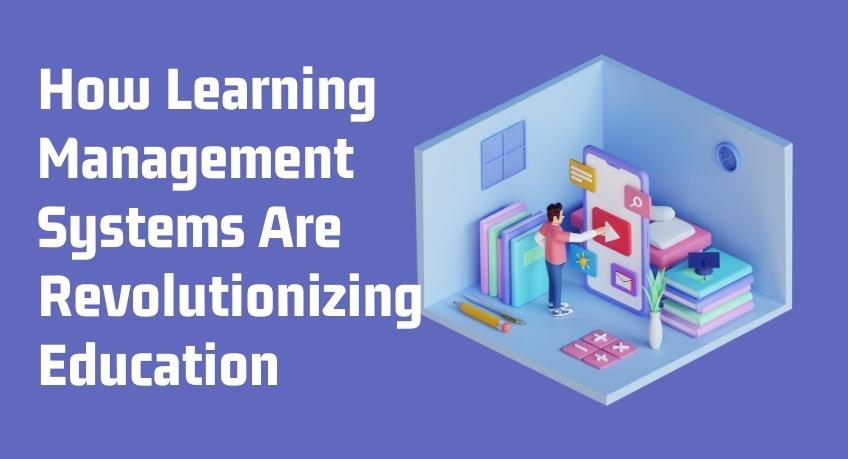
How Learning Management Systems Are Revolutionizing Education

Learning Management Systems (LMS) have revolutionized education in the digital age by providing a centralized platform for teachers and students to interact and collaborate. With LMS, educators can create and manage online courses, share resources, assign tasks, and track student progress. This eliminates the need for physical classrooms and traditional teaching methods, allowing flexible learning environments catering to individual student needs.

Learning Management Systems enables distance learning opportunities, breaking down geographical barriers and making education accessible to individuals without the means or opportunity otherwise. Students can access course materials at their own pace from anywhere with an internet connection, enabling them to fit their studies around work or other commitments. In addition, LMS provides a range of tools, such as discussion forums, chat functions, and video conferencing capabilities that facilitate communication between students and instructors.

Learning Management Systems have transformed education by harnessing technology to enhance teaching methods and accessibility. As technology advances, LMS will evolve further to meet the ever-changing needs of educators and learners in the digital age. The potential benefits of these systems are vast: increased engagement and collaboration among students, personalized learning experiences tailored to individual needs, and expanded educational opportunities worldwide – all contributing towards a more inclusive and effective educational landscape.

How Learning Management Systems Are Revolutionizing Education

Breaking Down Geographical Barriers:

Learning Management Systems have torn down geographical barriers, making education accessible to learners worldwide. Students can now enroll in courses from prestigious institutions regardless of their physical location, empowering learners in remote areas or those with mobility constraints to pursue quality education.

Personalized Learning Journeys:

LMS empowers educators to customize learning pathways based on individual student needs, learning styles, and performance levels. Adaptive learning algorithms analyze students’ progress and provide tailored content, ensuring each learner gets the support and challenges required for their unique growth.

Enhanced Collaboration and Interaction:

Traditional classrooms often limit collaborative opportunities, but LMS fosters seamless communication and collaboration among students, teachers, and peers. Discussion forums, virtual classrooms, and group projects facilitate meaningful interaction and knowledge exchange, fostering a vibrant learning community.

Rich Multimedia Content and Interactivity:

Learning Management Systems offer diverse multimedia resources like videos, interactive simulations, and gamified quizzes. These engaging elements capture students’ attention and cater to varied learning preferences, boosting comprehension and retention.

Real-time Assessment and Feedback:

Gone are the days of waiting for exams and assignments to be graded. LMS enables instant feedback and assessment, empowering students to promptly identify and address knowledge gaps. Educators can also use real-time data to adapt teaching methods for optimal learning outcomes.

Empowering Self-paced Learning:

Learning Management Systems allow students to learn at their own pace, ensuring no one gets left behind or held back. Students can revisit challenging concepts and accelerate through material they grasp quickly, promoting a deeper understanding of the subject matter.

Resource Centralization and Accessibility

LMS acts as a centralized repository for learning materials, eliminating the need for physical textbooks and course handouts. Learning Management System reduces costs and ensures learners have 24/7 access to study materials, enabling convenient and flexible learning.

Professional Development for Educators:

Educators benefit immensely from LMS by accessing professional development courses and collaborative platforms. These resources help instructors stay updated on the latest teaching methodologies, ed-tech tools, and subject matter expertise, enriching their teaching practices.

Data-Driven Decision Making:

Learning Management Systems generate valuable data on student performance, engagement levels, and learning patterns. Institutions can leverage this data to make informed decisions on curriculum design, instructional strategies, and resource allocation to enhance overall learning effectiveness.

Conclusion:

As the world evolves, so does education, and Learning Management Systems have emerged as the catalysts of this revolution. From promoting personalized learning journeys to breaking geographical barriers, LMS empowers educators and learners alike. As we embrace these transformative technologies, we set the stage for a future where education knows no bounds and allows individuals to unlock their full potential.

Choosing the right mobile app development company in Nepal

If you are looking for a mobile app development company in Nepal, contact Webtech Nepal, we build mobile apps for education, gaming, corporate, government, e-commerce, etc. Webtech Nepal can help you develop a mobile app that meets your needs and budget. We are a team of highly skilled software engineers dedicated to helping businesses harness the power of mobile technology. With our expertise in developing innovative and user-friendly mobile applications, we provide cost-effective solutions that propel your business forward. Whether you’re a startup or an established enterprise, our team is committed to transforming your app idea into a successful reality.

In recent years, Nepal has emerged as a growing hub for mobile app development, leveraging its talented pool of software engineers and entrepreneurs. With a rapidly expanding mobile user base and a thriving tech ecosystem, Webtech Nepal offers a suitable environment for businesses and individuals looking to develop innovative mobile applications. In this article, we will explore Nepal’s mobile app development scene, highlighting the key factors contributing to its success and the opportunities it presents.

Why to choose Webtech Nepal as a mobile app development in Nepal?

Mobile app development has become vital for businesses to engage with their customers and enhance their online presence. With the growing demand for mobile apps, choosing the right mobile app development company is crucial to ensure your business goals are effectively met. Nepal has emerged as an emerging hub for mobile app development services due to its talented pool of developers and cost-effective solutions.

We have been providing custom mobile application solutions for businesses across various industries for years. Our team of expert developers possesses extensive knowledge and experience in creating innovative, high-quality, and user-friendly mobile applications that cater to your specific business needs.

1. Exceptional Expertise:

Our team comprises experienced software engineers who excel in mobile app development. We deeply understand industry best practices, the latest frameworks, and emerging technologies, enabling us to build high-performance, scalable, and feature-rich mobile applications. With our expertise, your app will stand out in the competitive market.

2. Tailored Solutions:

We understand that every business is unique, and so are their mobile app requirements. That’s why we offer customized solutions aligning with your goals and objectives. From conceptualization to design, development, and deployment, we work closely with you to ensure your app reflects your brand identity and meets your target audience’s expectations.

3. User-Centric Approach:

User experience is at the core of our mobile app development process. We prioritize creating intuitive and engaging interfaces that enhance user satisfaction and retention. Conducting thorough user research and usability testing ensures that your app provides a seamless and enjoyable experience, leading to increased user engagement and loyalty.

4. Cost-Effective Development:

We understand the importance of budget constraints, especially for startups and small businesses. Our mobile app development services in Nepal offer cost-effective solutions without compromising quality. We optimize the development process to minimize costs while delivering exceptional results, making our services an excellent value for your investment.

5. Timely Delivery:

We value your time and understand the significance of launching your app within the desired timeframe. Our team follows agile development methodologies, allowing us to deliver projects on time without compromising quality. With our efficient project management practices, you can rely on us to meet your deadlines and launch your app promptly.

Benefits of hiring a mobile app development company in Nepal

Hiring a mobile app development company in Nepal offers numerous benefits, including access to a skilled workforce, cost-effectiveness, timely delivery, cultural understanding, quality assurance, and effective communication. Whether a startup or an established enterprise, partnering with a Nepali company can help you develop innovative, user-friendly mobile applications that drive business growth and success.

Here are some of the key advantages:

1. Skilled Workforce: Nepal is known for its highly skilled and talented pool of software engineers. Mobile app development companies in Nepal have access to a qualified workforce with expertise in various programming languages, app development frameworks, and emerging technologies. By hiring a company in Nepal, you can benefit from these professionals’ technical proficiency and experience.

2. Cost-Effectiveness: Outsourcing mobile app development to Nepal can significantly reduce costs compared to hiring in-house developers or choosing development agencies in other countries. Nepal offers competitive rates without compromising on the quality of work. This cost-effectiveness allows businesses, especially startups and small enterprises, to allocate their resources efficiently and invest in other aspects of their business growth.

3. Time-Efficiency: Mobile app development companies in Nepal are known for their efficiency and timely project delivery. They follow agile development methodologies, allowing for iterative development, regular communication, and quick adaptation to changing requirements. Their commitment to timely delivery ensures that your app is developed and launched within the desired timeframe, giving you a competitive edge in the market.

4. Cultural Understanding and Localization: Hiring a mobile app development company in Nepal provides cultural understanding and localization advantages. These companies deeply understand the local market, user preferences, and cultural nuances. This knowledge enables them to create mobile applications that resonate with the target audience, increasing user engagement and satisfaction.

5. Quality Assurance and Support: Mobile app development companies in Nepal emphasize quality assurance throughout the development process. They have robust testing and quality control mechanisms to ensure the app is bug-free and functions seamlessly across different devices and platforms. Additionally, they provide post-development support and maintenance services, ensuring that your app remains up-to-date and performs optimally.

6. Collaboration and Communication: Nepali mobile app development companies value collaboration and effective client communication. They maintain regular communication channels to understand your requirements, provide progress updates, and incorporate feedback throughout the development cycle. This collaborative approach ensures that the final product aligns with your vision and meets your business objectives.

Consider choosing a mobile app development company in Nepal.

By carefully evaluating these factors and conducting thorough research, you can choose a mobile app development company that aligns with your goals, delivers a high-quality app, and becomes a valuable long-term partner in your business’s digital success. When choosing a mobile app development company, several important factors must be considered. Here’s a step-by-step guide to help you make an informed decision:

1. Define Your Requirements: Before searching for a mobile app development company, clearly define your app’s requirements, objectives, target audience, and desired features. This will help you communicate your needs effectively and evaluate potential companies based on their ability to meet those requirements.

2. Experience and Expertise: Look for a company with a proven track record in mobile app development. Consider their experience developing apps for your target platforms (iOS, Android, or cross-platform). Review their portfolio and client testimonials to gauge the quality of their previous work. An experienced company will deeply understand industry best practices and emerging technologies.

3. Technical Skills and Knowledge: Assess the company’s technical expertise by evaluating the development team’s skills. Check their proficiency in programming languages, app development frameworks, and tools. They should be up-to-date with the latest trends and have experience integrating advanced features such as AI, AR/VR, or IoT if relevant to your project.

4. Portfolio and Case Studies: Review the company’s portfolio and case studies to assess the diversity and quality of their previous projects. Look for apps that are similar in complexity or industry to your own. This will give you an idea of their ability to handle your requirements and deliver a successful app.

5. Client References: Request references from past clients or seek out reviews and testimonials about the company’s services. Hearing from their previous clients will provide insights into their professionalism, communication, adherence to deadlines, and overall satisfaction with the end product.

6. Communication and Collaboration: Effective communication and collaboration are crucial for successful app development. Ensure that the company has a streamlined communication process and is responsive to your inquiries. Clear communication channels will enable you to stay involved throughout the development cycle and provide feedback when needed.

7. Quality Assurance and Support: Inquire about the company’s quality assurance practices and how they ensure the app’s performance, security, and functionality. Additionally, ask about their post-launch support and maintenance services to provide that they can address any issues that may arise after the app is launched.

8. Cost and Budget: While cost should not be the sole determining factor, it is essential to consider your budget and the company’s pricing structure. Evaluate the value they offer with their pricing. A transparent and well-defined pricing model will help you understand what you are paying for and avoid unexpected costs.

9. Timelines and Project Management: Discuss the company’s approach to project management and how they handle timelines and milestones. A reliable company will provide a clear project plan and update you on the development progress. They should have a well-defined process to address potential delays or changes in requirements.

10. Support for Future Growth: Consider whether the company can support your app’s future growth and scalability. Mobile apps require updates, feature enhancements, and compatibility with new OS versions. Ensure that the company offers long-term support and has a plan for the app’s ongoing maintenance and updates.

Conclusion:

Harness the potential of mobile technology with our exceptional mobile app development services in Nepal. Our skilled team of software engineers is dedicated to creating innovative, user-friendly, and cost-effective mobile applications tailored to your business needs. Contact us today to discuss your app idea and embark on a transformative journey toward success.

Choosing the right web design company in Nepal

Choosing the right web design company in Nepal is essential for the success of your website. Here are some valuable tips to help you make an informed decision: This blog post will provide essential tips to help you make an informed decision and find the perfect web design company for your needs.

In today’s digital age, having a well-designed website is crucial for any business or organization. A professionally designed website enhances your online presence and plays a vital role in attracting and engaging visitors. However, creating a website requires expertise and skills that may be beyond the capabilities of an average individual. That’s where web design companies come into play. Choosing the right web design company can be daunting, as countless options are available.

1. Define Your Requirements

Defining your requirements and objectives is essential before you search for a web design company. Take the time to identify the purpose of your website, your target audience, and the specific features and functionalities you need. This will help you communicate effectively with potential web design companies and ensure they understand your vision.

2. Review Their Portfolio

A reputable web design company should have a portfolio showcasing their previous work. Take the time to review their portfolio to get a sense of their design style, creativity, and the types of websites they have developed. Please pay attention to the user experience and functionality of the websites they have created. Look for diversity in their portfolio to see if they can handle various industries and design requirements.

3. Check Client Testimonials and Reviews

Client testimonials and reviews provide valuable insights into a web design company’s reliability, professionalism, and customer satisfaction. Search for reviews on independent websites, social media platforms, and business directories. Testimonials and reviews give you an idea of the company’s strengths and weaknesses and ability to meet deadlines and deliver quality work.

4. Assess their Expertise and Experience

It is important to consider the expertise and experience of a web design company before making a decision. Please find out how long they have been in the industry and the number of projects they have completed. Look for a company with experience working with businesses similar to yours or within your industry. This demonstrates their ability to understand your unique requirements and deliver effective solutions.

6. Inquire About the Team and Project Management:

Learn about the team working on your project. Inquire about their expertise, qualifications, and roles within the agency. Additionally, ask about the project management process. A well-organized agency with a clear project management approach is more likely to deliver your project on time and within budget.

5. Evaluate Communication and Support

Effective communication is crucial for a successful web design project. During your initial interactions with the company, assess their communication skills and responsiveness. Are they attentive to your needs and objectives? Do they respond promptly to your inquiries? Additionally, please inquire about the support they provide after the completion of the project. A reliable web design company will offer ongoing support and be available to address any issues or updates that may arise.

6. Consider Pricing and Value

While price shouldn’t be the sole determining factor, it is essential to consider your budget when choosing a web design company. Request quotes from multiple companies and compare their pricing structures and packages. However, be wary of highly low-cost options, which may compromise quality and functionality. Look for a company that offers a balance between affordability and value. Consider the long-term benefits and return on investment a well-designed website can provide for your business.

7. Inquire About the Development Process

Understanding the web design company’s development process is crucial for ensuring a smooth and successful project. Inquire about their design and development methodologies, their approach to project management, and the tools they use. A transparent and organized development process indicates professionalism and a commitment to delivering high-quality results.

8. Discuss Ownership and Future Scalability

Before finalizing your decision, discuss ownership rights and future scalability options with the web design company. Ensure that you will fully own your website once it is completed. Additionally, discuss the potential for future updates, enhancements, and scalability.

9. Consider Ongoing Support and Maintenance:

A website requires ongoing support, updates, and maintenance even after its initial development. Inquire about the agency’s post-launch support and maintenance services. Ensure they offer timely support and are available to address any issues or updates that may arise in the future.

10. Seek a Long-Term Partnership:

Building a website is not just a one-time project. Choosing a web design agency with whom you can establish a long-term partnership is beneficial. A trusted agency that understands your evolving needs can provide ongoing support, updates, and future enhancements as your business grows.

By following these tips and conducting thorough research, you can find the right web design agency that aligns with your goals, delivers high-quality results, and provides a seamless web design experience.

What is web design, and what do web designers do?

Web design refers to creating and arranging visual elements, content, and functionality to build aesthetically appealing, user-friendly, and effective websites to achieve their intended purpose. It involves the combination of various disciplines, such as graphic design, user experience (UX) design, user interface (UI) design, and coding.

Web designers are professionals who specialize in creating and designing websites. They possess a range of skills and knowledge to craft websites that align with the goals and requirements of their clients. Here are some key responsibilities and tasks of web designers:

1. Gathering Requirements: Web designers work closely with clients to understand their needs, objectives, and target audience. They gather information about the website’s purpose, desired functionalities, and branding or design preferences.

2. Planning and Wireframing: Web designers create a blueprint for the website, often through wireframes or prototypes. This stage involves structuring the website’s layout, determining the placement of key elements, and planning the user flow and navigation.

3. Visual Design: This is where web designers showcase their creativity. They select appropriate color schemes, typography, graphics, and images that align with the client’s brand identity and create a visually appealing website. They focus on creating a consistent, cohesive design that enhances user experience.

4. User Experience (UX) Design: Web designers prioritize the user’s experience by ensuring the website is intuitive, easy to navigate, and user-friendly. They consider information architecture, user interactions, and accessibility to create a seamless and enjoyable browsing experience.

5. User Interface (UI) Design: UI design involves designing the interface elements that users interact with, such as buttons, forms, menus, and icons. Web designers create visually engaging and functional UI components that enhance usability and guide users through the website.

6. Responsive Design: With the increasing use of mobile devices, web designers incorporate responsive design principles to ensure that websites adapt and display correctly on various screen sizes and devices. This involves optimizing layouts, images, and content for a consistent experience across different platforms.

7. Coding and Implementation: While web designers may only sometimes handle the coding aspects themselves, they should have a solid understanding of HTML, CSS, and other web technologies. They collaborate with web developers to ensure the design is implemented correctly and the website functions as intended.

8. Testing and Optimization: Web designers conduct testing to identify and fix any usability issues, browser compatibility issues, or performance problems. They continuously monitor and optimize the website’s design and functionality to improve its performance and user satisfaction.

Overall, web designers are crucial in creating visually appealing and functional websites that effectively communicate the client’s message, engage users, and drive desired actions. They combine their artistic and technical skills to bring ideas to life on the digital platform.

Differentiate between a Web designer and a web developer.

While web designers and web developers often work together to create websites, they have different roles and responsibilities. Here’s a breakdown of the key differences between web designers and web developers:

Web Designer roles and responsibilities:

1. Focus: Web designers primarily focus on the visual aspects of a website, including its aesthetics, user interface (UI), and user experience (UX). They aim to create visually appealing and engaging designs that align with the client’s brand identity and target audience.

2. Skills: Web designers have expertise in graphic design, layout design, typography, color theory, and design software tools like Adobe Photoshop, Illustrator, or Sketch. They possess a creative eye and understand the principles of design, including composition, balance, and visual hierarchy.

3. Responsibilities: Web designers are responsible for gathering client requirements, creating wireframes and mockups, designing the website’s visual elements, selecting colors and typography, and creating a cohesive and visually pleasing user interface. They often collaborate with web developers to ensure the design is implemented correctly.

4. Tools: Web designers use design software to create visual designs and prototypes, such as wireframing tools, graphic design software, and prototyping tools like Figma, InVision, Adobe XD, Marvel, UXPin., Moqups, Justinmind, Lucidchart, Balsamiq etc.

Web Developer roles and responsibilities:

1. Focus: Web developers focus on the technical aspects of website creation, including coding, functionality, and performance. They bring the web designer’s visual design to life by writing the necessary code and implementing the website’s features and functionalities.

2. Skills: Web developers have expertise in programming languages like HTML, CSS, JavaScript and may also be proficient in backend languages like Python, PHP, or Ruby. They understand web development frameworks and version control systems and know web server configuration and database management.

3. Responsibilities: Web developers are responsible for translating the web designer’s visual design into code, building the website’s structure, implementing functionality and interactivity, integrating databases and APIs, optimizing performance, and ensuring cross-browser compatibility and responsiveness.

4. Tools: Web developers use tools and technologies like text editors, integrated development environments (IDEs), code libraries, debugging tools, and browser developer tools to write, test, and debug their code.

In summary, web designers focus on a website’s visual design and user experience, while web developers focus on technical implementation and functionality. While there can be some overlap in skills and responsibilities, understanding these distinctions can help effectively collaborate and produce high-quality websites.

Best Cross-Platform Code Editors for Web Developers

Cross-platform code editors are software tools that allow developers to write, edit, and manage code across multiple operating systems and platforms. These editors are designed to work on different operating systems, such as Windows, macOS, and Linux, allowing developers to work on their code in the environment of their choice.

The advantage of using a cross-platform code editor is that it allows developers to work with a consistent user interface and set of features, regardless of their operating system or platform. This can be especially important for teams collaborating on code across different systems or for individual developers switching between other operating systems.

Cross-platform code editors often support a wide range of programming languages and come with various features such as syntax highlighting, code completion, debugging tools, and plugins. They provide a streamlined workflow for developers, enabling them to write and manage their code seamlessly across different platforms.

As a web developer, having a reliable code editor is crucial to your workflow. With so many different programming languages and operating systems, finding a code editor that works across multiple platforms is important. In this article, we’ll explore the ten best cross-platform code editors for web developers.

There are many different code editors available, both free and paid. Some are designed for specific programming languages, while others are more general-purpose. Some are lightweight and minimalist, while others are packed with features.

So, how do you choose the best code editor for you? Here are a few things to consider:

  • Your programming language(s): If you only work with one programming language, you can choose a code editor that is specifically designed for that language. For example, if you are a JavaScript developer, you should use a code editor like Sublime Text or Atom.
  • Your workflow: How do you like to work? Do you want to have a lot of features at your fingertips, or do you prefer a more minimalist approach? Some code editors are designed for power users, while others are more beginner-friendly.
  • Your budget: Some code editors are free, while others require a subscription. If you are on a tight budget, choose a free code editor.

Once you have considered these factors, you can start to narrow down your choices. Here are 10 of the best cross-platform code editors for web developers:

1. Visual Studio Code

opengraph home

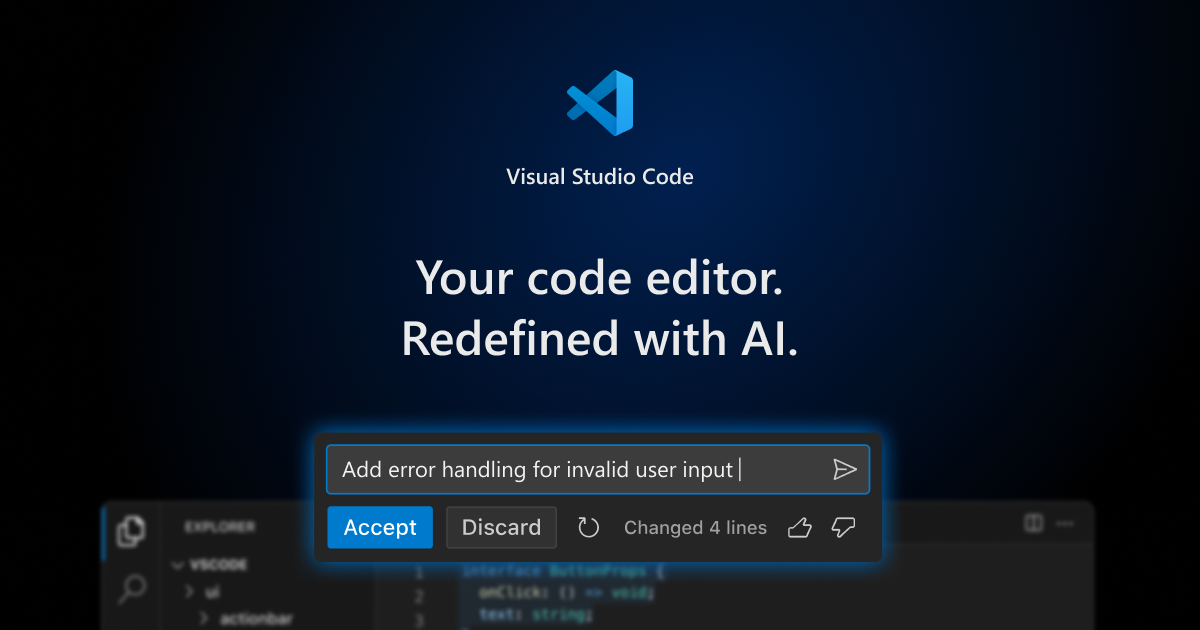
Visual Studio Code is a popular open-source code editor developed by Microsoft. It’s available for Windows, macOS, and Linux and supports various programming languages, including C++, C#, CSS, Dart, Dockerfile, F#, Go, HTML, Java, JavaScript, JSON, Julia, Less, Markdown, PHP, PowerShell, Python, R, Ruby, Rust, SCSS, T-SQL, TypeScript, and more. With a sleek interface, powerful debugging tools, and an extensive library of extensions, Visual Studio Code is an excellent choice for web developers of all skill levels.

One of the key features of Visual Studio Code is its extension system, which allows developers to customize their development environment with a wide range of plugins and extensions. This includes tools for debugging, linting, testing, and integrating with external services and frameworks. VS Code also has built-in support for Git, allowing developers to manage their source code easily.

VS Code has a user-friendly interface and a range of productivity-enhancing features, such as IntelliSense (a code completion feature that provides context-aware suggestions), a powerful search and replace function and multiple cursor support. It also features a built-in terminal, allowing developers to run commands and scripts without leaving the editor.

Overall, Visual Studio Code is a powerful and versatile code editor that provides developers with a customizable and streamlined workflow for their coding projects.

2. Sublime Text

Sublime Text is a popular cross-platform code editor developers widely use to write, edit, and manage code. It is known for its powerful and flexible interface and support for many programming languages.

Sublime Text offers a variety of features that help developers to streamline their workflow and be more productive. These include syntax highlighting, code completion, multiple cursors, and a powerful search and replace function. Sublime Text also has an extensive library of plugins and extensions, allowing developers to customize their editor to suit their needs.

One of the key features of Sublime Text is its performance. It is known for its speed and responsiveness, even when working with large files or complex codebases. This makes it a popular choice for developers working with large-scale projects.

Sublime Text is available for free, but it also offers a paid version with additional features and support. Overall, Sublime Text is a powerful and versatile code editor that provides developers with a flexible and customizable environment for their coding projects.

3. Atom

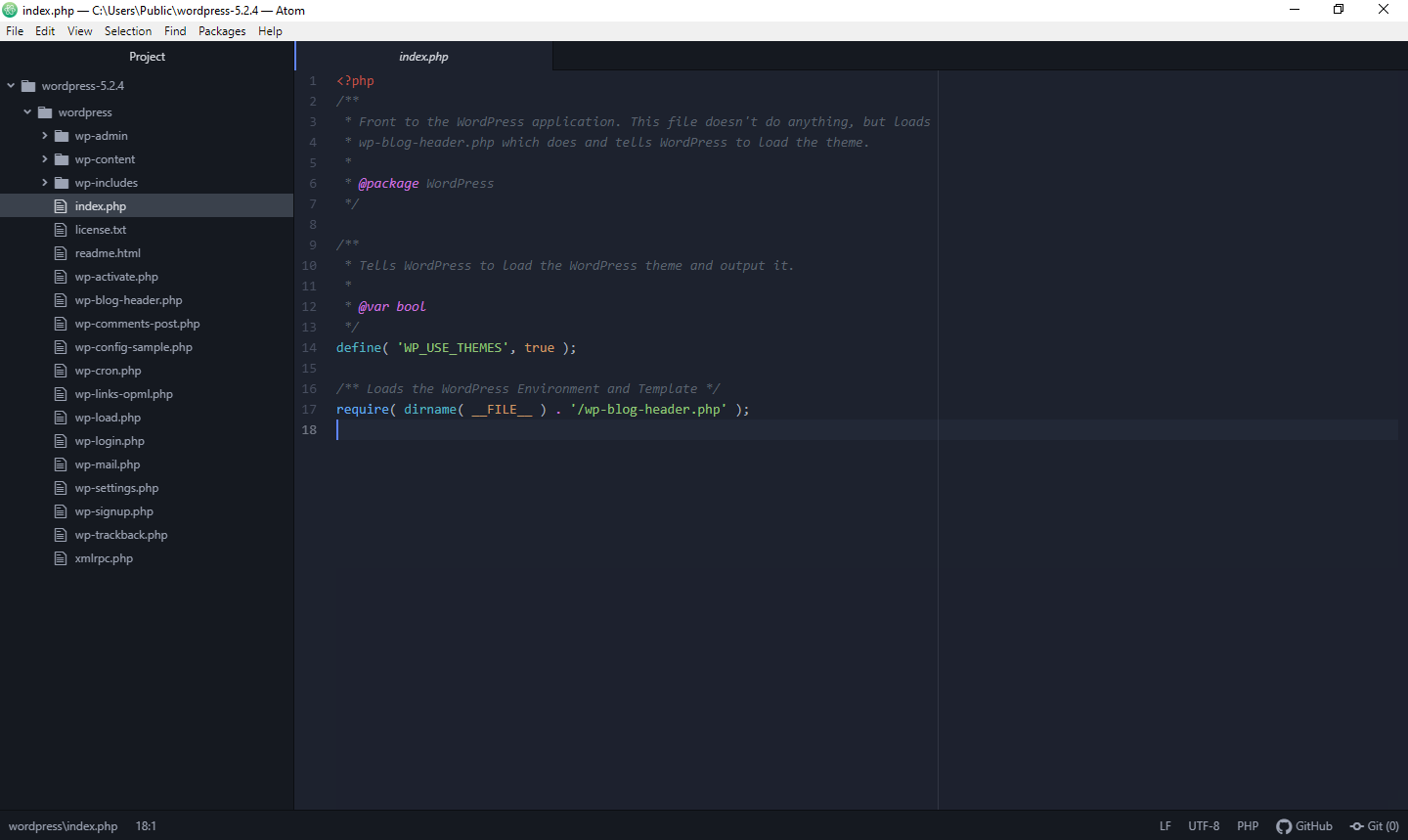
Atom screenshot v1.41.0

Atom is a free and open-source cross-platform code editor developed by GitHub. It is designed to be highly customizable and extensible, and it offers a range of features to help developers write and manage their code.

One of the key features of Atom is its modular design, which allows developers to customize their editor by installing packages and themes. These packages can provide functionality such as syntax highlighting, autocompletion, debugging, and integration with external tools and services.

Atom also includes a powerful search and replace function, multiple cursors, and a user-friendly interface that makes navigating and editing code easy. It also offers Git integration, allowing developers to manage their source code from within the editor.

Atom is built on web technologies, such as C, C++, C#, COBOL, CSS, CoffeeScript, Go, HTML, Java, JavaScript, JSON, Perl, PHP, Ruby, Scala, SQL, etc. which makes it highly flexible and customizable. It is also highly extensible, and developers can create their packages and themes to customize the editor to their liking.

Overall, Atom is a powerful and versatile code editor that provides developers with a flexible and customizable environment for their coding projects.

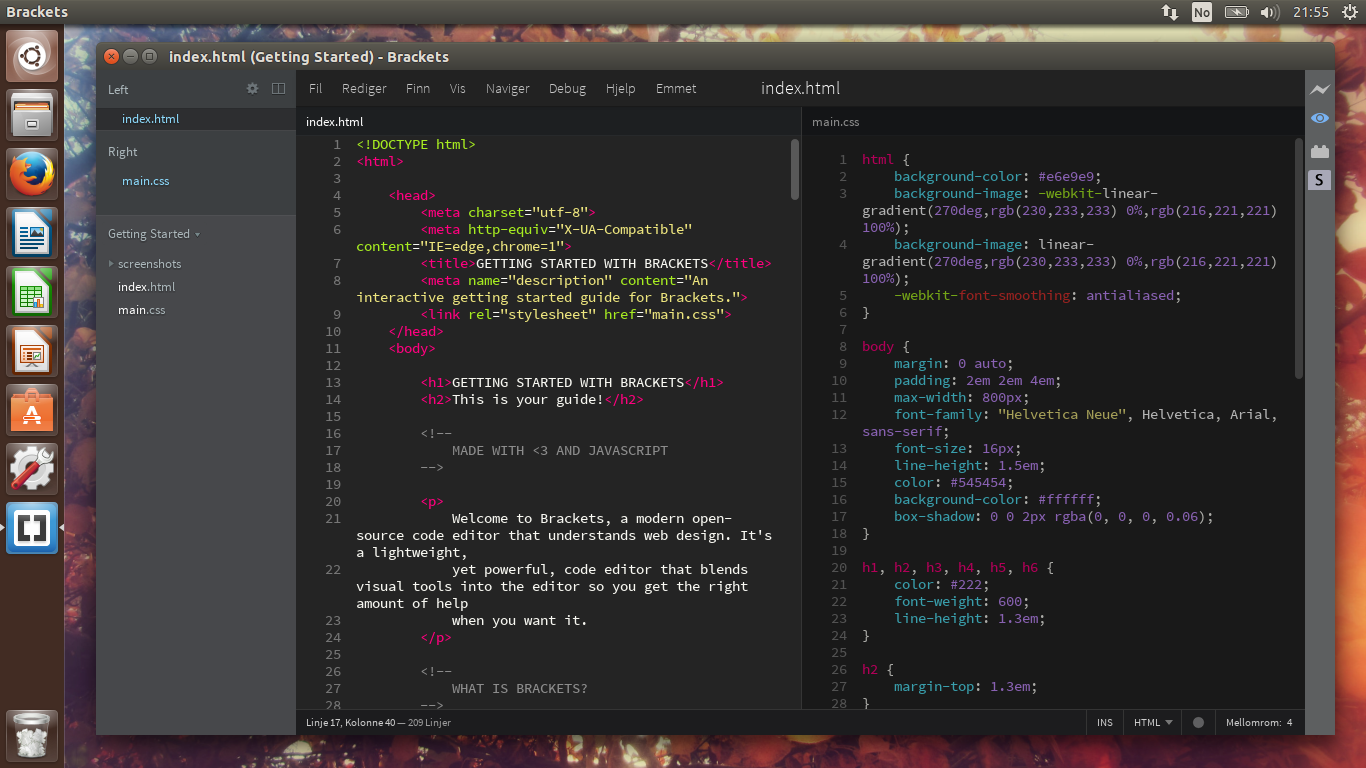
4. Brackets

Brackets 1.1

Brackets is a free and open-source code editor developed by Adobe Systems. It is designed specifically for web development and offers a range of features to help developers write, edit, and manage their code.

One of the key features of Brackets is its live preview function, which allows developers to see changes to their code in real time as they make them. This can be especially useful for front-end development, as it allows developers to see how their code will look in the browser without switching back and forth between their editor and their browser.

Brackets include various other features, such as syntax highlighting, code completion, and a user-friendly interface. It also supports multiple programming languages, including C++, C, VBScript, Java, JavaScript, HTML, Python, Perl, Ruby, etc.

Brackets is highly extensible, and developers can install plugins to add additional functionality to the editor. These plugins can provide functionality such as linting, autocompletion, and integration with external tools and services.

Brackets is a powerful and versatile code editor providing web developers with a streamlined and efficient environment for their coding projects.

5. Notepad++

Notepad plus plus 7 5 1

Notepad++ is a free and open-source text editor for Windows. It is designed to be a lightweight and fast alternative to traditional text editors, with various features to help developers write and edit code.

Notepad++ offers syntax highlighting for various programming languages, including C, C++, Java, JavaScript, HTML, CSS, and others. It also includes code folding, auto-completion, and a powerful search and replace function.

Notepad++ is highly customizable, and developers can install plugins to add additional functionality to the editor. These plugins can provide functionality like linting, debugging, and integration with external tools and services.

One of the key features of Notepad++ is its speed and efficiency. It is designed to be lightweight and fast, with a low memory footprint, which makes it a popular choice for developers who need a text editor that can handle large files or complex codebases.

6. Bluefish

Bluefish editor editng an html page

Bluefish is a free and open-source code editor designed for web developers. It offers a range of features to help developers write, edit, and manage their code, including syntax highlighting, autocompletion, and a user-friendly interface.

One of the key features of Bluefish is its support for a wide range of programming languages, including HTML, XHTML, CSS, XML, PHP, C, C++, JavaScript, Java, Go, Vala, Ada, D, SQL, Perl, ColdFusion, JSP, Python, Ruby, and shell and many others. This makes it a popular choice for developers who work with a variety of programming languages and need a single editor that can handle them all.

Bluefish also includes various other features, such as code folding, multiple cursors, and a powerful search and replace function. It also integrates with external tools and services, such as version control systems and web browsers.

Bluefish is highly customizable, and developers can install plugins to add additional functionality to the editor. These plugins can provide functionality such as debugging, linting, and integration with external tools and services.

Overall, Bluefish is a powerful and versatile code editor that provides web developers with various features to help them write and edit code efficiently and effectively.

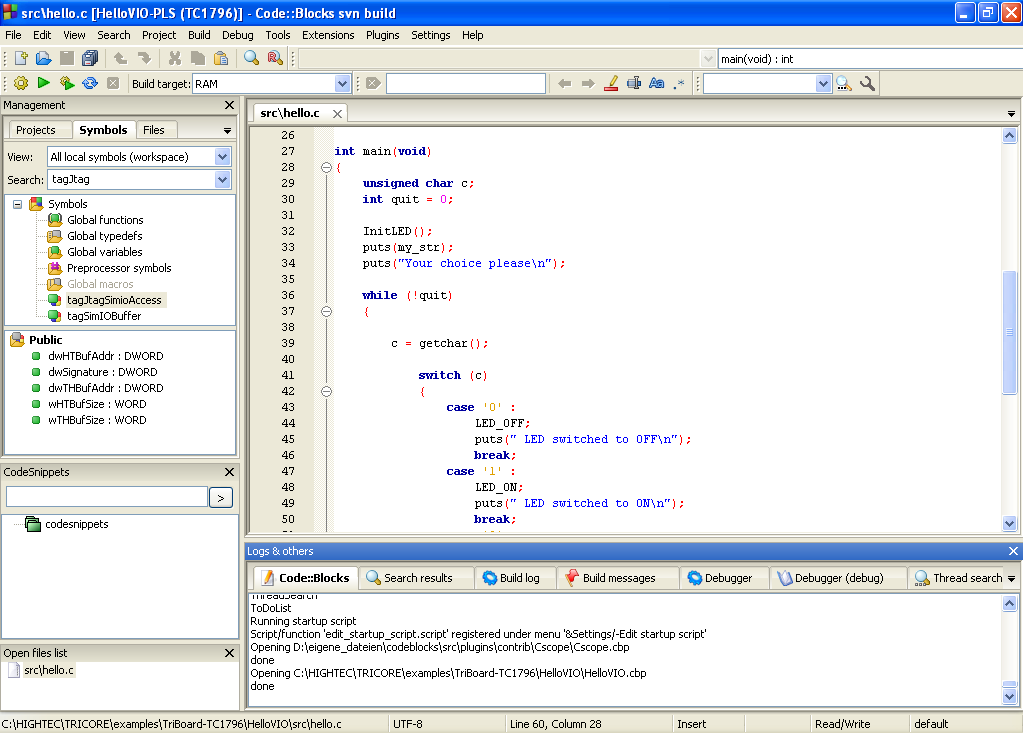
7. Code::Blocks

codeblocks

Code::Blocks is a free, open-source, cross-platform integrated development environment (IDE) designed for C, C++, and Fortran development. It provides a range of features to help developers write, debug, and manage their code.

Code::Blocks offers a user-friendly interface with various features, including syntax highlighting, code folding, and a powerful search and replace function. It also includes a debugger to help developers find and fix errors in their code.

One of the key features of Code::Blocks is its support for a wide range of compilers, including GCC, Clang, and Visual C++. This allows developers to choose the compiler that best suits their needs and ensures that their code is compatible with multiple platforms.

Code::Blocks is highly customizable, and developers can install plugins to add additional functionality to the IDE. These plugins can provide functionality such as linting, autocompletion, and integration with external tools and services.

Overall, Code::Blocks is a powerful and versatile IDE that provides developers with various features to help them write and manage their code efficiently and effectively. It is especially popular among C and C++ developers who require a flexible and customizable development environment.

8. Eclipse

1200px Eclipse33 Ubuntu

Eclipse is a free and open-source integrated development environment (IDE) designed for Java development, although it also supports many other programming languages. It provides a range of features to help developers write, debug, and manage their code.

Eclipse offers a user-friendly interface with various features, including syntax highlighting, code completion, and a powerful search and replace function. It also includes a debugger to help developers find and fix errors in their code.

One of the key features of Eclipse is its support for a wide range of plugins, which can add additional functionality to the IDE. These plugins can provide functionality such as linting, autocompletion, and integration with external tools and services.

Eclipse is highly customizable, and developers can create plugins or modify existing ones to suit their needs. This flexibility makes Eclipse popular among Java developers requiring a highly customizable and extensible development environment.

Overall, Eclipse is a powerful and versatile IDE with various features to help developers write and manage their code efficiently and effectively. Its support for a wide range of programming languages and its extensive plugin system makes it a popular choice for developers of all experience levels.

9. Aptana Studio

Aptana Studio Screenshot

Aptana Studio is a free and open-source integrated development environment (IDE) designed for web application development. It provides a range of features to help developers write, debug, and manage their code.

Aptana Studio offers a user-friendly interface with various features, including syntax highlighting, code completion, and a powerful search and replace function. It also includes a debugger to help developers find and fix errors in their code.

One of the key features of Aptana Studio is its support for a wide range of web technologies, including HTML, CSS, JavaScript, Ruby, and Python. This makes it a popular choice for web developers who work with multiple technologies and need a single IDE to handle them all.

Aptana Studio is highly customizable, and developers can install plugins to add additional functionality to the IDE. These plugins can provide functionality such as linting, autocompletion, and integration with external tools and services.

Overall, Aptana Studio is a powerful and versatile IDE that provides web developers with various features to help them write and manage their code efficiently and effectively. Its support for a wide range of web technologies and its extensive plugin system makes it a popular choice for developers of all experience levels.

10. CodeLite

CodeLite 5.1

CodeLite is a free, open-source, cross-platform integrated development environment (IDE) designed for C, C++, PHP, and JavaScript (Node. js) development. It provides a range of features to help developers write, debug, and manage their code.

CodeLite offers a user-friendly interface with various features, including syntax highlighting, code completion, and a powerful search and replace function. It also includes a debugger to help developers find and fix errors in their code.

One of the key features of CodeLite is its support for a wide range of compilers, including GCC, Clang, and Visual C++. This allows developers to choose the compiler that best suits their needs and ensures that their code is compatible with multiple platforms.

CodeLite is highly customizable, and developers can install plugins to add additional functionality to the IDE. These plugins can provide functionality such as linting, autocompletion, and integration with external tools and services.

Overall, CodeLite is a powerful and versatile IDE that provides developers with various features to help them write and manage their code efficiently and effectively. It is especially popular among C and C++ developers who require a flexible and customizable development environment.

Conclusion

In conclusion, plenty of great cross-platform code editors are available for web developers. Whether you’re looking for a lightweight editor or a powerful IDE, there’s a code editor out there that will suit your needs. Your best code editor will depend on your needs and preferences.